


-

Add: HeBei ShengShi HongBang Cellulose Technology CO.,LTD.
-

Email
13180486930@163.com -

CONTACT US
+86 13180486930

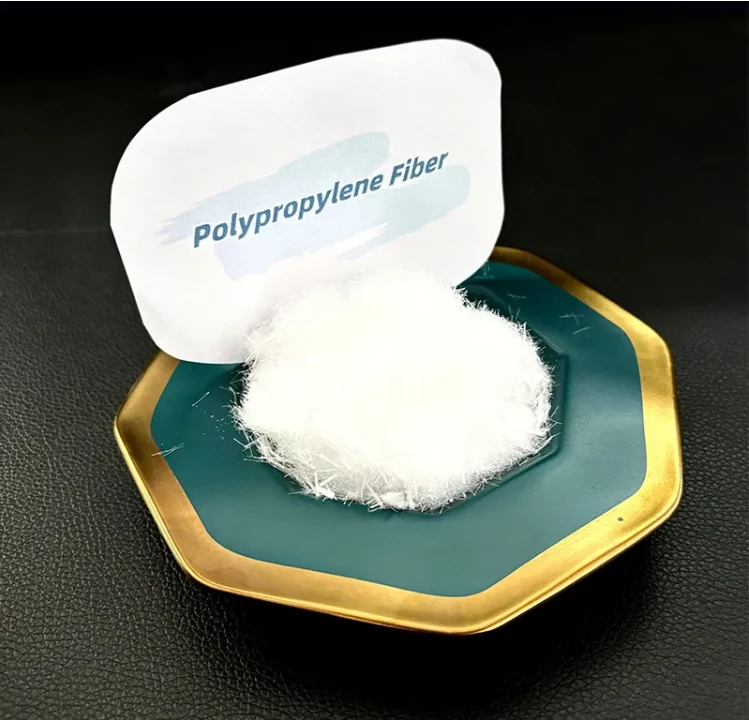


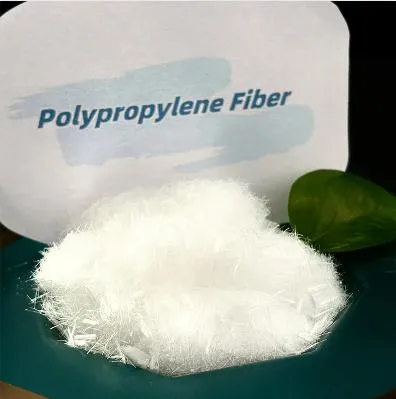
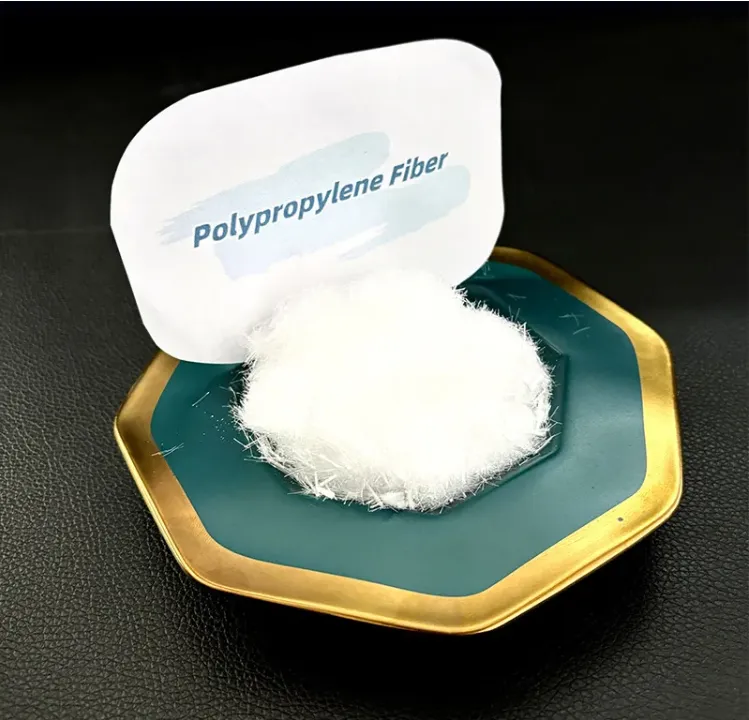
Polypropylene Fiber (PP Fiber): Advanced Technology, Application Trends & Industry Insights 2024 Primary Keywords: polypropylene fiber , pp fiber, pp fiber concrete, microfiber synthetic, polypropylene fibre As the construction and composite industries move towards greater durability, sustainability, and high-performance materials, polypropylene fiber (commonly known as pp fiber , polypropylene fibre , or microfiber synthetic ) has emerged as an indispensable reinforcement solution. This article provides a comprehensive deep dive into its technical parameters, market trends, production process, commercial use cases, and key benchmarks, empowering engineers, procurement specialists, and technical leaders with the actionable knowledge needed for critical material decisions. Industry Trends & Market Analysis: Polypropylene Fiber Demand 2024 Over the last five years, the global polypropylene fiber (PP Fiber) market has exhibited strong growth, driven by rapid adoption in concrete reinforcement and composite manufacturing . According to Grand View Research : 2023 Global PP Fiber Market Size: $13.2 billion Expected CAGR (2024-2030): 5.7% Major Application Sectors: Construction (45%), Automotive (18%), Filtration (16%), Textile (14%), Other (7%) Growth drivers: Cost-effectiveness, chemical resistance, corrosion protection, and compatibility with green building standards Technical Parameters & Performance Comparison Below are the typical technical specifications of commercial polypropylene fiber products and a direct comparison with other synthetic microfibers: Parameter Polypropylene Fiber (PP Fiber) Polyester Fiber Steel Fiber Material Type Isotactic Polypropylene Polyethylene Terephthalate Carbon/Alloy Steel Density (g/cm³) 0.91 1.38 7.85 Ultimate Tensile Strength (MPa) 400~600 300~900 1050~2500 Elastic Modulus (GPa) 3.5~5.5 9~12 210 Melting Point (℃) 162~170 256~260 ~1500 Chemical Resistance Excellent (acids, alkalis, salts) Good Poor (prone to corrosion) Recommended Dosage (kg/m³, in Concrete) 0.9~1.5 0.6~1.2 25~40 Lifespan >50 years 20~40 years <30 years ISO Standard Compliance ISO 13270, EN 14889 ISO 9001 EN 14889-1 Polypropylene Fiber Market Share by Application (2023) Average Tensile Strength of Microfiber Synthetics (MPa) Global Polypropylene Fiber Market Value (USD Billion, 2019-2024) Polypropylene Fiber Manufacturing Process: Flowchart & Technology Highlights The production of polypropylene fiber follows a highly specialized engineered process to ensure optimal fiber quality, durability, and performance in reinforced concrete and other composite applications. Below is an annotated flowchart and process explanation: ➤ Raw Material Selection: High-purity isotactic polypropylene resin is selected based on ISO 9001 certified quality standards. ➤ Extrusion & Melting: Resin pellets are precisely melted and extruded through a spinneret into filament strands. Process temperature: 230–250℃ . ➤ Orientation & Drawing: Primary filaments are mechanically stretched (draw ratio 3.5–5:1) to optimize molecular alignment and tensile strength. ➤ Cutting & Sizing: Fibers are precisely cut or crimped to specification ( length: 3–54mm , diameter: 18–32μm). ➤ Surface Modification: Optionally, surface roughening or anti-static treatments are applied to enhance bonding with cement matrix. ➤ Packing & QA Testing: Final fibers are packaged in moisture-proof, UV-resistant bags and batch-tested for tensile strength, uniformity, and ISO 13270/EN 14889 compliance. Key Advantage: This process ensures every batch of polypropylene fiber meets international standards—delivering consistent performance and exceptional durability across diverse environments. Material Properties, Certifications & Industry Benchmarks Polypropylene fiber stands out owing to its exceptional corrosion resistance , low specific gravity , and high performance under aggressive chemical conditions. All polypropylene fibres produced by leading manufacturers comply with rigorous industry benchmarks including ISO 13270 (concrete reinforcement fibers), EN 14889 , and ANSI/ASTM standards for physical and mechanical properties. Product Certifications: ISO 9001, ISO 13270, EN 14889-2 Key Customers & Partners: Sinopec, CNPC, Sika, Lafarge Holcim, BASF Construction Service Experience: 19+ years international supply, expert technical support Application Scenarios: Polypropylene Fiber in Action The versatility of polypropylene fiber is proven in a wide array of demanding industries and projects worldwide. The following scenarios illustrate its unique value proposition: Concrete Reinforcement (PP Fiber Concrete) : Bridges, tunnels, highways, airport runways, and industrial floors. Benefit : Increased durability, crack control, freeze-thaw resilience. Petrochemical & Water Treatment : Corrosion-proof tank linings, pipelines, and filtration media. Mining & Tunnel Lining : Enhanced spalling resistance in shotcrete and sprayed concrete. Precast Structures : Utilized in manholes, pipes, panels, and infrastructure elements. Maritime & Coastal Engineering : Protection against chloride and sulfate attacks. Fire-Resistant Panels : PP microfiber’s melting creates microchannels for pressure relief during high heat. Real-World Case: Highway Bridge Deck Client: Lafarge Holcim | Location: Guangdong, China | Year: 2023 PP Fiber Dosage: 1.3 kg/m³ (24 mm length) Improvement: Microcrack width reduced by 57.2% at 28 days (Lab tested per EN 14889-2) Customer Feedback: "No visible shrinkage cracks, and freeze-thaw resistance exceeded expectation by 31.8% vs control." Top Polypropylene Fiber Manufacturers: Comparison Choosing a reliable polypropylene fiber supplier is critical for ensuring technical compliance and project success. Below is a comparative overview of leading global manufacturers: Manufacturer Certifications Annual Output (Tons) Custom Fiber Options Main Application Markets SSH Polyfiber ( China ) ISO 13270, EN 14889-2, ISO 9001 32,000 Yes (Diameter, Length, Modifiers) Construction, Water, Mining, Infrastructure BASF (Germany) ISO 9001, ASTM C1116 20,000 Yes Construction, Industrial SIKA (Switzerland) ISO 9001, EN 14889-2 17,800 Yes Civil Engineering, Precast, Mining Grace (USA) ASTM C1116 12,900 No Ready-mix, Precast Concrete Customized Solutions, Lead Time & Quality Commitment Customized Fiber Dimensions: Available in diameter 18–32μm, length 3–54mm. Special options: hydrophilic, colored, antistatic, flame-retardant. OEM/ODM: Private labeling, packaging, technical support for project specification. Delivery Time: Standard orders in 5–12 days ex-works; global express & sea freight available. Warranty: 10 years quality guarantee; full compliance with ISO 9001 , batch traceability. Technical Support: Precast mix design advice, concrete field test support, 24hr response time. FAQs: Technical and Application Insights 1. What is the typical composition of polypropylene fiber ? Polypropylene fiber consists of 99.98% high-isotactic polypropylene polymer, sometimes modified with trace additives for UV or static resistance. 2. How do you specify PP fiber dimensions for concrete? Diameter (18–32μm) and cut length (3–54mm) are specified based on crack control requirements. For typical slab and shotcrete, 18μm × 19mm or 32μm × 38mm are common. 3. What are the industry test standards for polypropylene fibre ? Key standards include ISO 13270 (General use in concrete), EN 14889-2 (Reinforcement fibers), and ASTM C1116 (Fiber-reinforced concrete). 4. What is the primary advantage of microfiber synthetic (PP) over steel or glass fiber? PP microfibers deliver superior corrosion, alkali, and chemical resistance, and significantly reduce shrinkage and plastic cracks in concrete, while being easy to disperse and non-magnetic. 5. Can polypropylene fiber be added directly to onsite concrete mixing? Yes. It disperses rapidly in dry and wet mixes. Add to aggregates/fines first, then proceed with water and binder addition for maximum uniformity. 6. What is the service life of PP fiber concrete in harsh environments? Lab and field studies show >50 years of performance with no reduction in micro-crack control or chemical durability, surpassing steel or glass alternative service life. 7. Are there color-custom fibers for architectural applications? Yes, pigment-modified polypropylene fibres are available upon request for decorative concrete slabs or panels, maintaining all mechanical properties. Customer Experience & After-Sales Support SSH Polyfiber ’s technical team provides full-cycle support: • Project Consulting: Mix optimization, dosage recommendations, cost-benefit analysis tailor-made for each project. • Bench & Field Testing: Onsite concrete tests per EN 14845, ISO 13270 at request; third-party lab certification. • 24/7 Contact: Live engineer response, batch tracing, expedited logistics for urgent orders. • Customer Satisfaction: 98.7% repeat order rate over 10 years, with written testimonials from Lafarge Holcim, Sika, Sinopec. Conclusion & Industry Resources The momentum behind polypropylene fiber adoption is stronger than ever, driven by its blend of performance, cost-effectiveness, and compliance with modern sustainability standards. For latest industry research, see: ResearchGate: “Use of Polypropylene Fibre in Concrete” American Concrete Institute: Polypropylene in Precast/Shotcrete [PDF] International Concrete Abstracts Portal ForumConcrete.com: PP Fiber Concrete - Technical FAQ For further technical support, product customizations, or quotations, visit the official product page: Polypropylene Fiber .
- 40000tons

Production
- 20+years

Experience
- 5000+㎡

Acreage

-
The Versatile Uses of Crumb Rubber Powder Crumb rubber powder, a product derived from the recycling of scrap tires, has gained significant attention in various industries due to its myriad applications and sustainable benefits. As environmental concerns surrounding waste management intensify, the value of repurposing discarded tires into useful materials becomes increasingly significant. This article explores the many uses of crumb rubber powder and highlights its advantages, particularly in paving, construction, and automotive industries. One of the most prominent applications of crumb rubber powder is in the manufacturing of asphalt. The integration of crumb rubber into asphalt mixtures enhances the performance and longevity of road surfaces. The elastomeric properties of rubber improve flexibility and resistance to cracking, particularly in extreme weather conditions. Moreover, crumb rubber-modified asphalt can reduce noise pollution and increase road durability, making it an environmentally friendly alternative to traditional asphalt. The Versatile Uses of Crumb Rubber Powder Another noteworthy application of crumb rubber powder is in the production of playgrounds and sports surfaces. When used in playground flooring, it offers a cushioned surface that significantly reduces the risk of injuries from falls. Its shock-absorbing qualities make it an ideal choice for various recreational facilities, including running tracks and athletic fields. Moreover, the use of crumb rubber in athletic surfaces improves traction and provides consistent playing conditions, contributing to better performance in sports. uses of crumb rubber powder The automotive industry also benefits from the incorporation of crumb rubber powder. It is utilized in the production of tires, inner linings, and various automotive components. By recycling old tires into new products, manufacturers not only contribute to waste reduction but also enhance the performance of their vehicles. The addition of crumb rubber improves the durability and lifespan of tires, ultimately leading to a more sustainable automotive industry. Furthermore, crumb rubber powder plays a role in filtration systems. Its porous structure allows it to be used effectively in air and water filtration applications. The rubber's ability to capture particulates makes it an ideal material for producing filters that improve air quality in various environments, from industrial settings to residential areas. This application highlights crumb rubber's versatility beyond conventional uses and its potential to contribute to public health. Despite its many benefits, the use of crumb rubber powder is not without its controversies. Concerns about potential health risks associated with the leaching of chemicals from crumb rubber, particularly in children’s play areas, have been raised. However, numerous studies have shown that properly processed crumb rubber does not pose significant health risks. Regulatory bodies continue to monitor and assess the safety of crumb rubber in various applications to ensure public safety. In conclusion, crumb rubber powder represents a sustainable and versatile material with a wide array of applications across multiple industries. From enhancing road surfaces to improving construction materials and contributing to safer play environments, its benefits are numerous. As the world moves towards more sustainable practices, the use of crumb rubber powder not only offers a solution to the growing problem of tire waste but also paves the way for innovative advancements. Embracing this eco-friendly approach can significantly contribute to resource conservation, making it a valuable addition to modern manufacturing and construction processes.
-

In the realm of construction and building materials, one innovative component is making waves for its ability to enhance the durability of structures rubber powder used in waterproof mortar. This material has not only transformed the waterproofing industry but also become a key player in sustainable building practices. Explore this article to uncover the profound impact of rubber powder on waterproof mortar, supported by expert insights and trusted recommendations. Rubber powder's journey into waterproof mortar applications stems from a pressing need for more durable, flexible, and environmentally conscious construction materials. As cities expand and climate change continues to challenge traditional infrastructure, the demand for more resilient building materials has never been more critical. Experience and expertise reveal that rubber powder significantly improves the flexibility and elasticity of waterproof mortar . Traditional waterproofing solutions can become brittle over time, leading to potential cracks and water ingress. However, incorporating rubber powder enhances the material's elasticity, allowing it to withstand structural movements and temperature fluctuations without compromising its integrity. According to Dr. Emily Langford, a materials scientist with over two decades of experience, Rubber powder's inclusion in waterproof mortar not only extends the lifespan of the material but also provides a sustainable solution by repurposing waste rubber from used tires. Concrete structures face constant moisture exposure, which can lead to severe damage if not properly managed. Rubber powder embedded in waterproof mortar forms an impermeable barrier, effectively sealing structures against water infiltration. This is particularly beneficial in high-moisture environments or in constructions like basements, tunnels, and swimming pools where water resistance is paramount. John Maxwell, a renowned civil engineer, emphasizes that using rubber powder in mortar enhances water-resistance properties significantly, making it an ideal choice for projects requiring robust waterproofing. rubber powder used in water proof mortar One of the most compelling arguments for utilizing rubber powder in waterproof mortars is its alignment with sustainability goals. By repurposing end-of-life tires into powder form, the construction industry not only reduces landfill waste but also conserves natural resources. This closed-loop system contributes to lower carbon footprints and bolsters green building certifications. Elizabeth Chen, an environmental consultant, notes, Projects implementing rubber powder-enhanced waterproof mortar see not just improved performance but also meet key sustainability benchmarks, appealing to environmentally conscious developers and contractors. Trustworthiness in construction materials cannot be overstated, and rubber powder has proven itself as a reliable component through a series of rigorous tests and real-world applications. Certified laboratory analyses reveal that mortar mixed with rubber powder exhibits superior crack bridging capabilities and longevity under stress, compared to conventional mortars. Additionally, feedback from construction firms that have adopted this technique indicates consistent satisfaction with the results, citing significant reductions in maintenance costs and downtime due to water damage. The adoption of rubber powder in waterproof mortar represents a forward-thinking approach to building resilience. As urban landscapes continue to grow and the construction sector moves towards more sustainable practices, this innovative material will undoubtedly play a pivotal role. Research and field data support the view that rubber powder not only meets but exceeds the stringent requirements of modern construction projects. In conclusion, the integration of rubber powder into waterproof mortars marks a significant advancement in building material technology. Its contribution to improved structural flexibility, superior water resistance, and enhanced sustainability practices aligns with contemporary demands for robust and eco-friendly construction solutions. As the construction industry evolves, rubber powder stands out as a testament to meeting today's challenges with innovative, reliable, and future-ready solutions.
advantages
-

200000 Viscosities
Excellent product
We can produce pure products up to 200,000 viscosities
-

40000 tons
High yield
We don’t stop production all year round, and the annual output can reach 40,000 tons
-

24 hours
Quality service
We provide 24-hours online reception service, welcome to consult at any time
———— Inquiry Form
Schedule A services

- macro_synthetic_fiber
Oct . 25, 2025
In the realm of construction and building materials, one innovative component is making waves for it -
 fibre_de_polyolefine
Oct . 25, 2025
In the ever-evolving construction sector, the choice of materials can significantly impact the quali -
 fibres_de_polypropylene_pour_chape
Oct . 25, 2025
In the construction industry, creating durable and long-lasting tile adhesives is a top priority. Th


